


Inter-state travel with a commercial vehicle in India requires compliance with multiple transport rules. One of the most important requirements is Border Check Post Tax, also known as Other State Vehicle Entry Road Tax.
In 2026, most Indian states have shifted this process to online payment systems, making it easier for transporters, logistics companies, and packers & movers to stay compliant.
This article explains what Border Check Post Tax is, who needs to pay it, and how to complete Border Check Post Tax 2026 payment online in a simple and legally correct manner.
What Is Border Check Post Tax?
Border Check Post Tax is a state-level road usage tax collected when a vehicle registered in one state enters another state for commercial or transport purposes.
This tax helps state governments manage road maintenance, transport regulation, and traffic monitoring.
In simple terms, when a commercial vehicle crosses a state border, a temporary road tax or entry permit fee may apply depending on the destination state.
Border Check Post Tax 2026: What Has Changed?
By 2026, the border tax system has become more digital and transparent. Physical paperwork at check posts is being reduced, and online verification has increased.
Key Updates in 2026:
- Online payment mandatory in most states
- Integration with VAHAN vehicle database
- Faster verification at state borders
- Strict penalties for unpaid tax
- Digital receipt accepted at check posts
These changes aim to reduce delays, corruption, and unnecessary stoppages.
Which Vehicles Must Pay Border Check Post Tax 2026?
Border Check Post Tax is mainly applicable to commercial and transport vehicles.
Vehicles Covered:
- Goods carrier trucks and tempos
- Commercial buses and contract vehicles
- Packers and movers vehicles
- Logistics and fleet vehicles
- Interstate transport vehicles
Private vehicles are usually exempt unless they are used for commercial activity.
Types of Border Check Post Taxes in India
Depending on the state and vehicle category, one or more of the following may apply:
1. Temporary Entry Road Tax
Charged for short-term vehicle entry into another state.
2. Time-Based Road Permit
Applicable when a vehicle operates in another state for a specific number of days.
3. Special Goods Tax
Charged for transporting heavy, hazardous, or restricted goods.
4. Penalty Charges
Imposed if tax payment or permit is missing or expired.
How to Pay Border Check Post Tax Online in 2026
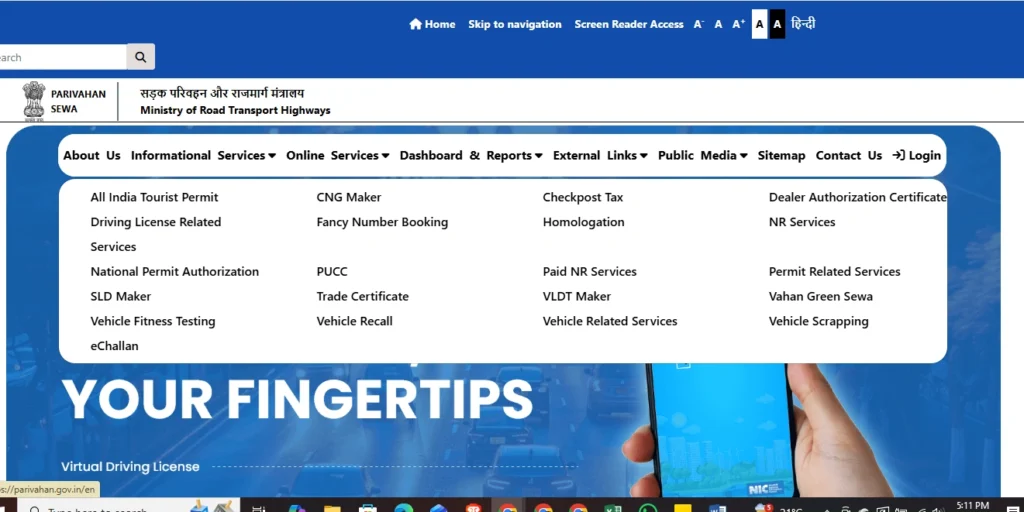
Most states now allow online Border Check Post Tax payment through official transport portals.
General Online Payment Process:
- Visit the official transport or Parivahan portal
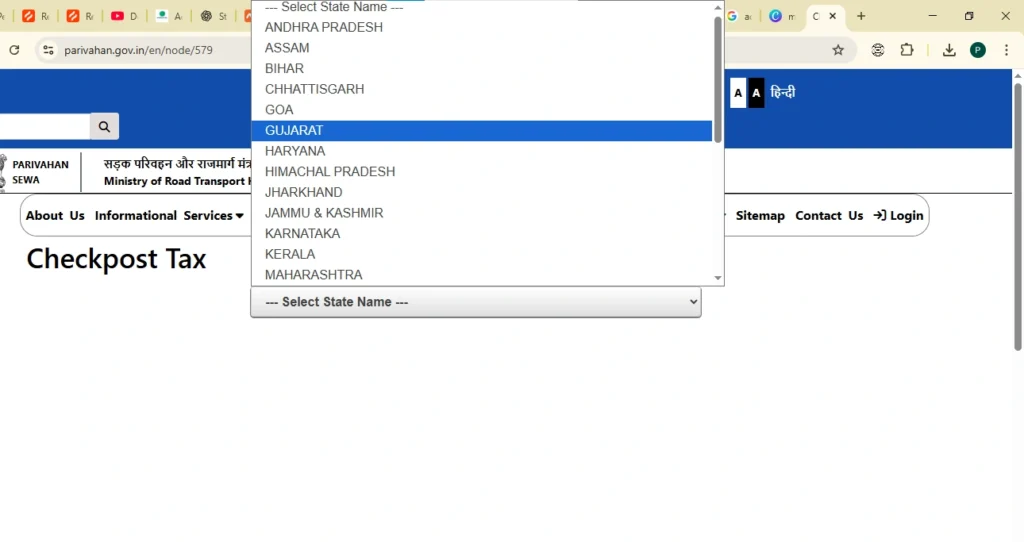
- Select Other State Vehicle Tax / Check Post Tax service
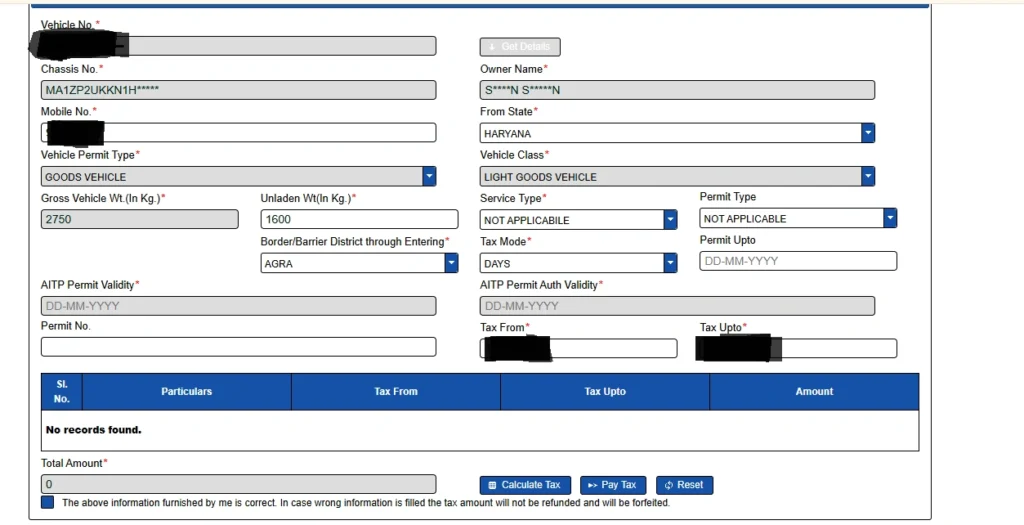
- Enter vehicle registration number
- Choose visiting state and entry duration
- Upload required documents if asked
- Calculate applicable tax
- Pay using UPI, net banking, or card
- Download digital receipt




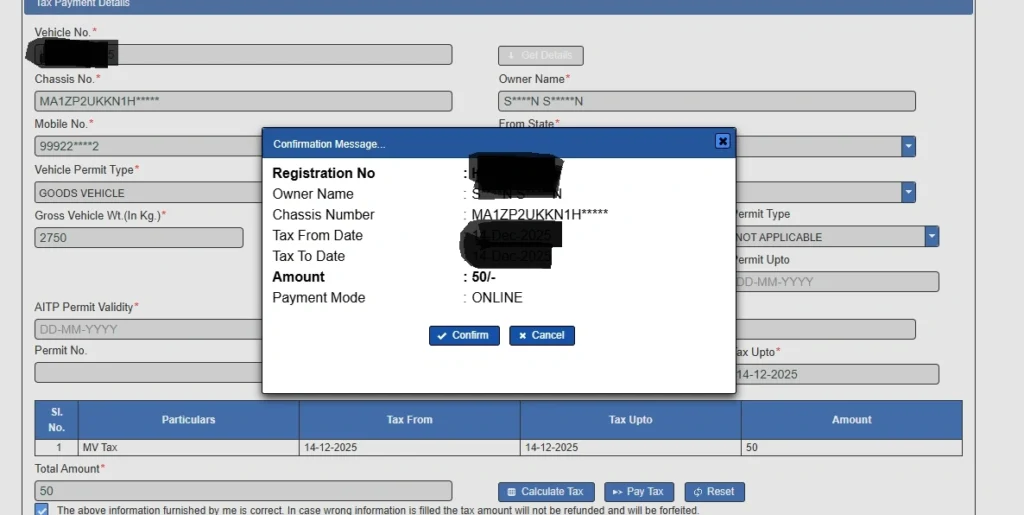

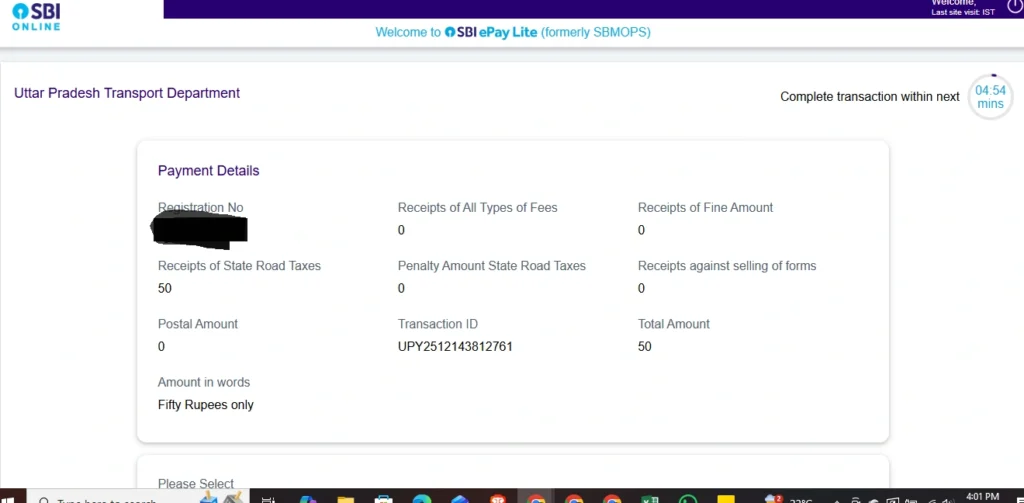
The receipt acts as proof of payment during border checks.
Documents Required for Border Check Post Tax 2026
To avoid fines or vehicle detention, keep these documents ready:
- Vehicle Registration Certificate (RC)
- Valid driving licence
- Vehicle insurance certificate
- National or state permit
- E-way bill (for goods vehicles)
- Border Check Post Tax receipt
Digital copies are generally accepted, but carrying a printed receipt is recommended.
Why Border Check Post Tax Receipt Is Important
- Required for verification at state borders
- Prevents unnecessary fines and delays
- Acts as legal proof of tax compliance
- Ensures smooth interstate movement
Without a valid receipt, enforcement authorities may stop or penalise the vehicle.
Penalties for Non-Payment in 2026
Failure to pay Border Check Post Tax 2026 may lead to:
- Heavy monetary fines
- Vehicle seizure or detention
- Permit cancellation
- Legal notice from transport authorities
With digital tracking, tax evasion has become easier to detect.
Border Check Post Tax 2026 for Packers & Movers
For packers and movers companies, border tax compliance directly impacts:
- Delivery timelines
- Customer trust
- Operational costs
- Legal safety
Professional movers now pre-pay border taxes online before vehicle dispatch to avoid border congestion.
Important Tips for Transporters
- Always check state-wise tax rules before travel
- Pay tax online in advance whenever possible
- Train drivers to carry digital receipts
- Keep permit validity updated
- Avoid third-party or fake payment websites
Conclusion
The Border Check Post Tax 2026 system is designed to be faster, more transparent, and fully digital. While GST simplified many taxes, road and transport-related state taxes still apply for interstate commercial vehicles.
Understanding and following the correct payment process ensures smooth travel, legal compliance, and cost control.
For anyone operating commercial vehicles across states, border tax awareness is no longer optional—it is essential.
Read More – Border Check Post Tax Payment Entry Vehicle, Vehicle GPS Tracker Device in 2026: Best Trackers in India
FAQs – Border Check Post Tax 2026
Q1. Is Border Check Post Tax still applicable in 2026?
Yes, it applies to commercial and interstate transport vehicles.
Q2. Can Border Check Post Tax 2026 be paid online?
Yes, most states allow online payment through official transport portals.
Q3. Is Border Check Post Tax different from GST?
Yes, it is a state road usage or permit tax, not GST.
Q4. Is the tax same in every state?
No, tax rates vary by state, vehicle type, and duration.
Q5. Is the receipt mandatory at the check post?
Yes, it is required for verification and legal compliance.
Disclaimer
This article is published for educational and informational purposes only and is based on publicly available resources and practical experience. Border Check Post Tax 2026 rules, rates, and payment procedures may change as per state or government updates. Readers are advised to verify the latest information from official transport or government portals before making any payment or decision. The website and author are not responsible for any loss or legal issue arising from the use of this information. The website and author shall not be responsible for any loss, penalty, delay, or legal issue arising from reliance on the information provided in this article. Any action taken based on this content is strictly at the reader’s own discretion and responsibility.